Our presenters
Display profiles of your presenters [trainers, coaches, facilitators] within this section of your website. It’s simple to add a profile, just open your presenter record in Arlo and from the presenter tab, add their profile content, then tick ‘Show this presenter on the website’.
Arlo lets you manage all your event and course information in one system.
Ross Upshur

Professor, Department of Family and Community Medicine, Temerty Faculty of Medicine
Associate Director & Member, Leadership Table, Collaborative Centre for Climate, Health & Sustainable Care
Ross Upshur BA (Hons.), MA, MD, MSc, MCFP, FRCPC, FCAHS is currently the Dalla Lana Chair in Clinical Public Health and Head of the Division of Clinical Public Health at the Dalla Lana School of Public Health. At the University of Toronto, he is a Professor in the Dalla Lana School of Public Health and the Department of Family and Community Medicine, Associate Director of the Collaborative Centre for Climate, Health and Sustainable Care, Affiliate Member of the Institute for the History and Philosophy of Science and Technology, Member of the Joint Centre for Bioethics. He serves as Co-chair of the WHO Ethics and Governance Working Group, chairs the Canadian College of Family Physicians Ethics Committee and is Special Advisor to the Ethics Review Board of Doctors Without Borders. Research interests span multiple domains at the intersection of ethics, epistemology, clinical medicine and public health with applications to climate change, pandemics and artificial intelligence. He is an elected Fellow of the Hastings Center and the Canadian Academy of Health Sciences.
Ryan Brydges
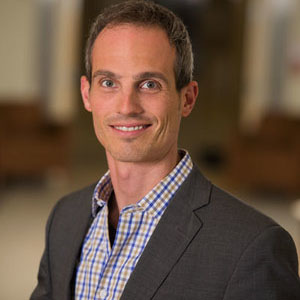
Director of Research, Allan Waters Family Simulation Centre
Professorship in Technology-Enabled Education, St. Michael’s Hospital
Assistant Professor, Dept. of Medicine, University of Toronto
Ryan Brydges conducts research in three related domains: (i) clarifying how healthcare trainees and professionals manage (through self-regulation) their life-long learning, (ii) understanding how to optimize the instructional design of healthcare simulation (and other technology-enhanced learning modalities) for training and assessment of healthcare professionals (iii) identifying best practices in the training and assessment for bedside invasive medical procedures (e.g., lumbar puncture, central line insertion, thoracentesis).
Through studies of self-regulation and simulation, Ryan aims to understand how training interventions translate into healthcare professional’s behaviours. Most specifically, his work with procedural skills will serve as a proof of concept for developing novel model of ‘competency-based education’ in both academic and community hospital settings. That research arm will have implications for patient care as well as health care system reform (e.g., identifying a need for specialized procedural service teams), and healthcare resource utilization (e.g., providing input to Choosing Wisely initiatives).
Ryan obtained his MSc and PhD from the Institute of Medical Science, University of Toronto. He then completed an NSERC postdoctoral fellowship with Dr. Glenn Regehr at the University of British Columbia.
Sacha Agrawal
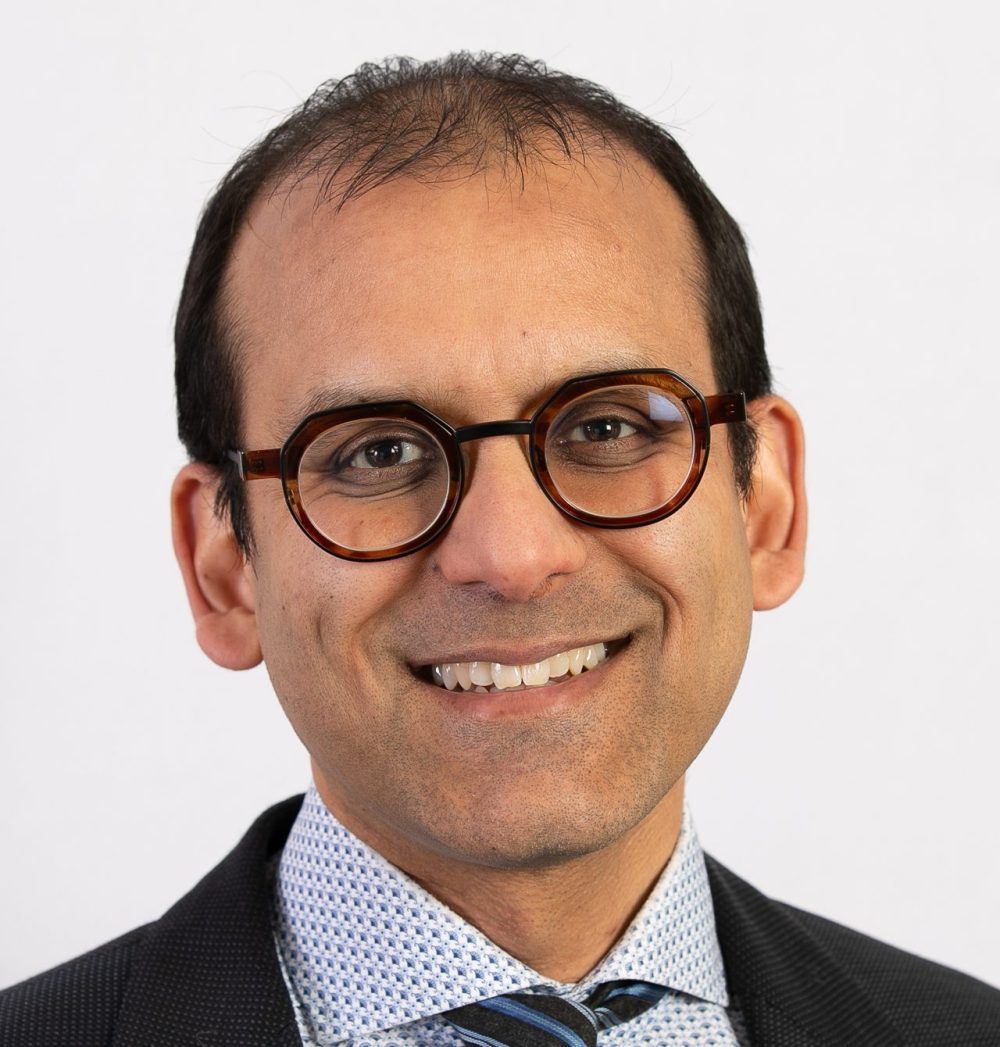
Sacha Agrawal MD MSc FRCPC is an associate professor in the Department of Psychiatry at the University of Toronto, staff psychiatrist and education scholar at CAMH, and advisor (for inclusion and co-production) at CACHE. He frequently teaches psychiatry residents and medical students, and he serves as faculty member of the Collaborative Change Leadership program at UHN and coach with the Education Scholars Program at CFD. Sacha completed medical school at the University of Toronto, his psychiatry residency and Master’s degree in health research methodology at McMaster, and a fellowship in public psychiatry at Yale. He has developed and researched a number of initiatives related to the involvement of patients (service users) in health professions education. His academic interests include pedagogies of social justice and adaptive expertise. Sacha enjoys taking walks in the woods, cooking (and eating!) plant-based foods, and making music with his kids.
Samantha Chang

Samantha Chang is the Faculty Liaison, Anti-Racist Pedagogies at the Centre for Teaching Support & Innovation and a Course Instructor at the Department of Art History, University of Toronto. Samantha's teaching practice integrates critical and inclusive pedagogies, accessible design, and the Universal Design for Learning framework. In 2021, Samantha received the U of T Course Instructor Teaching Excellence Award and was shortlisted for the BIPOC Teaching Excellence Award in 2023. Samantha currently serves as a Co-Chair of the Council of Ontario Educational Developers (COED) and the Vice Chair of the Teaching Assistant and Graduate Student Advancement (TAGSA) in the Society for Teaching and Learning in Higher Education (STLHE).
Sanne Kaas-Mason
Shelley Craig
New & Evolving Academic Leaders Program
Full Professor, Factor-Inwentash Faculty of Social Work, University of Toronto
Canada Research Chair in Sexual and Gender Minority Youth
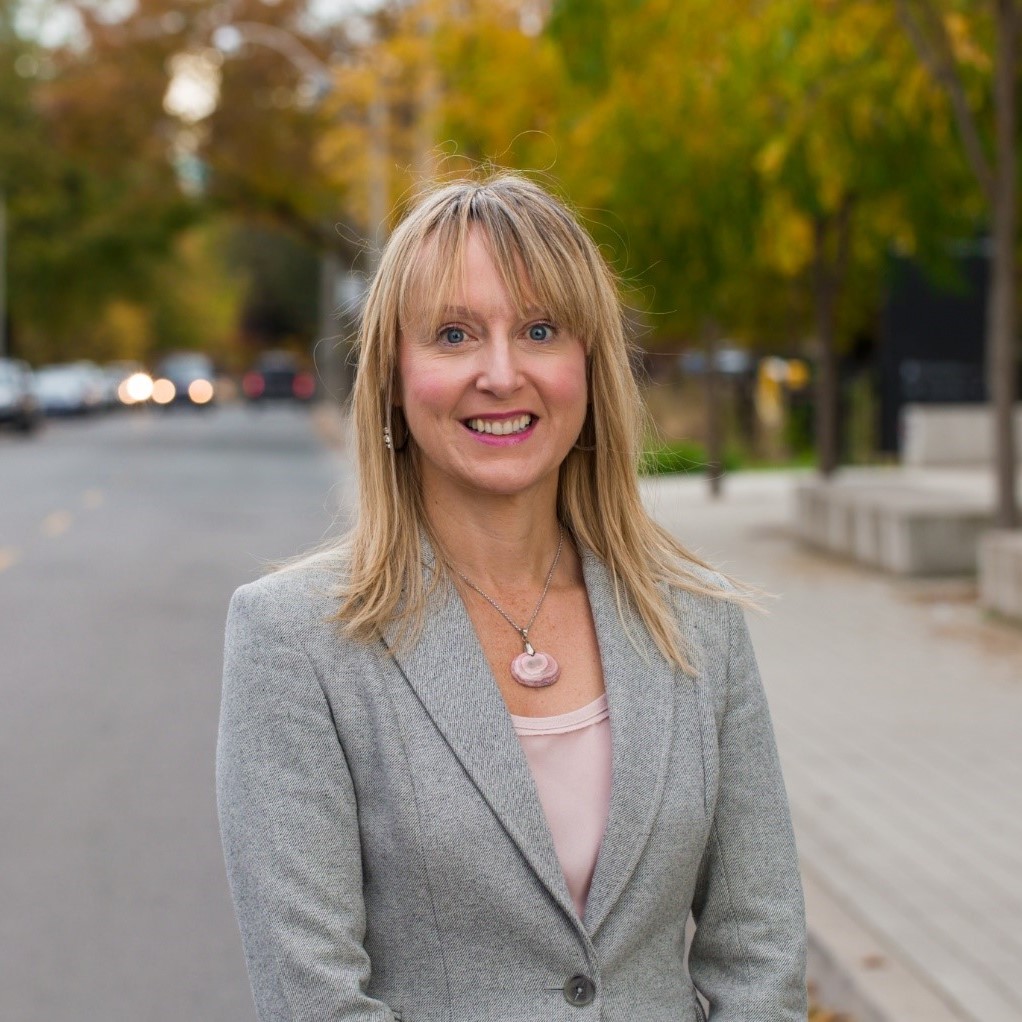
Dr. Shelley L. Craig is Full Professor at the Factor-Inwentash Faculty of Social Work (FIFSW) at the University of Toronto and Canada Research Chair in Sexual and Gender Minority Youth (SGMY). Dr. Craig has served in a range of community and academic leadership roles for the past twenty-five years, including as the Governing Board Co-Chair of organizations such as the National Board of Parents, Families and Friends of Lesbians and Gays (PFLAG), WorldPride, the Council of Sexual Orientation and Gender Expression and Identity of the Council of Social Work Education (CSWE), Heartstrong and as Board member of the Ontario Association of Social Work (OASW). As Executive Director, she has led organizations supporting victims of familial violence, created systems of care for SGMY and served as leader in interprofessional care in emergency care centers. She recently completed her term as Associate Dean, Academic at FIFSW and developed competencies for graduate education, particularly as it relates to the health and mental health of marginalized populations and equity, diversity and inclusion in organizations and programs.
Sophie Soklaridis
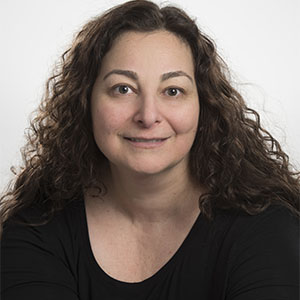
Scientist, Centre for Addiction and Mental Health and Interim Director of Research in Education Cross-Appointed Scientist, Wilson Centre for Research in Education, University Health Network & University of Toronto
Assistant Professor, Department of Psychiatry, University of Toronto
Assistant Professor, Department of Family and Community Medicine, University of Toronto
Dr. Sophie Soklaridis is a Senior Scientist at the Centre for Addiction and Mental Health (CAMH). She is an Associate Professor at the Department of Psychiatry and Department of Family & Community Medicine at the Temerty Faculty of Medicine, University of Toronto, and the Vice-Chair of Mental Health Equity and EDIIA at the Department of Psychiatry. She is a Scientist at Wilson Centre for Research in Education as well as the Canadian Lead and a core faculty member for the Master of Health Sciences Education in Ethiopia through the Toronto Addis Ababa Academic Collaboration (TAAAC). Her research takes a critical sociological approach on the issues of power, identity and relationships. Her scholarly foci include patient/clients as partners in research and mental health education and the influence of power and privilege on academic medicine. She is a widely published and well-funded scientist who has received multiple awards for her research.
CFD Program Faculty: Stepping Stones
Stella Ng
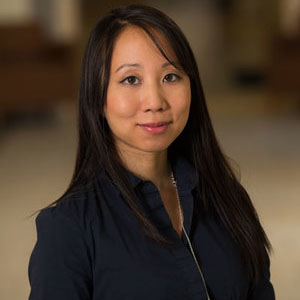
Director & Scientist, Centre for Advancing Collaborative Healthcare & Education
Program Lead, Teaching for Transformation and Best Practice in Education Rounds Centre for Interprofessional Education
Associate Professor, Dept. of Speech-Language Pathology and the Institute for Health Policy, Management & Evaluation, and Wilson Centre Scientist, UofT
Stella is passionate about the transformative potential of health professions education, particularly critical pedagogies to enhance the collaborative, compassionate, and ethical aspects of health care practice. This passion was sparked by challenges experienced as a pediatric audiologist in the public-school system, which motivated her to study how people respond to value-conflicted, uncertain zones of interprofessional and collaborative practice. Her tri-council-, ministry-, and foundation-funded research thus explores theories of reflective practice and optimizes educational approaches that foster critical reflection, which she mobilizes into her education and leadership work.